Effective Pest Management Solutions for All Pest Problems
- townsendmark
- Feb 20
- 4 min read
When pests invade our homes or properties, it can feel overwhelming! But don’t worry - we’ve got your back with effective pest management solutions that work. Whether you’re dealing with pesky rodents, stubborn insects, or unwelcome wildlife, there are smart, practical ways to protect your space and keep those critters at bay. Let’s dive into some tried-and-true methods that will help you reclaim your home and enjoy peace of mind.
Understanding Pest Management Solutions: The Basics
Before jumping into action, it’s important to understand what pest management solutions really mean. It’s not just about spraying chemicals or setting traps. It’s a comprehensive approach that combines prevention, monitoring, and control to keep pests from becoming a problem in the first place.
Here’s what effective pest management involves:
Identification: Knowing exactly what pest you’re dealing with is the first step. Different pests require different strategies.
Prevention: Sealing entry points, removing food sources, and maintaining cleanliness can stop pests before they start.
Control: Using humane traps, natural repellents, or professional treatments to reduce pest populations.
Monitoring: Keeping an eye on your property to catch any new pest activity early.
By following these steps, you’re not just reacting to pests—you’re staying ahead of them!

Practical Pest Management Solutions You Can Implement Today
Let’s get into some hands-on solutions that you can start using right now. These tips are easy, effective, and will make a big difference in your pest control efforts.
1. Seal All Entry Points
Pests love to sneak in through tiny cracks and gaps. Take a walk around your home and check for openings around doors, windows, vents, and the foundation. Use weather stripping, caulk, or steel wool to seal these spots. This simple step can drastically reduce pest invasions.
2. Keep Your Home Clean and Dry
Pests are attracted to food crumbs, standing water, and clutter. Make sure to:
Clean up spills immediately.
Store food in airtight containers.
Fix leaky pipes and faucets.
Declutter storage areas to reduce hiding spots.
3. Use Natural Repellents
Many pests dislike certain smells and plants. Consider planting herbs like mint, lavender, or rosemary around your home. You can also use essential oils such as peppermint or eucalyptus as natural deterrents.
4. Set Humane Traps
For rodents or small wildlife, humane traps allow you to catch and Deal with wildlife in a safe manner. This approach respects nature while solving your pest problem.
5. Maintain Your Yard
Keep your lawn trimmed and remove debris like piles of leaves or wood. These can be perfect homes for pests. Also, make sure garbage bins are sealed tightly.
By combining these practical steps, you’ll create an environment that’s uninviting to pests and welcoming to you!
Why Professional Help Makes a Difference
Sometimes, despite our best efforts, pests can be persistent. That’s when it’s time to call in the experts. Professional pest management services bring specialized knowledge, tools, and humane methods to tackle even the toughest infestations.
Here’s why professional help is worth considering:
Accurate Pest Identification: Experts can quickly identify the pest species and understand their behavior.
Customized Treatment Plans: Professionals tailor solutions to your specific situation, ensuring effective results.
Humane and Eco-Friendly Methods: Many companies prioritize humane removal and environmentally safe treatments.
Long-Term Prevention: They don’t just remove pests—they help you prevent future problems.
If you want to explore professional options, check out trusted Pest Control services that focus on humane and effective solutions.

Common Pest Problems and How to Handle Them
Let’s talk about some of the most common pests and the best ways to manage them. Knowing what you’re up against helps you choose the right approach.
Rodents (Mice and Rats)
Rodents can cause damage to wiring, insulation, and food supplies. They’re also carriers of diseases. To manage rodents:
Seal all holes larger than a quarter-inch.
Use snap traps or humane traps.
Keep food sealed and garbage secured.
Remove clutter where rodents can nest.
Ants
Ants are tricky because they often come indoors searching for food. To control ants:
Clean up sugary spills immediately.
Use vinegar or lemon juice to wipe down surfaces.
Set bait traps to eliminate colonies.
Seal entry points.
Cockroaches
Cockroaches thrive in warm, moist environments. To reduce their presence:
Fix leaks and reduce humidity.
Clean kitchen surfaces regularly.
Use boric acid or gel baits.
Remove clutter and food debris.
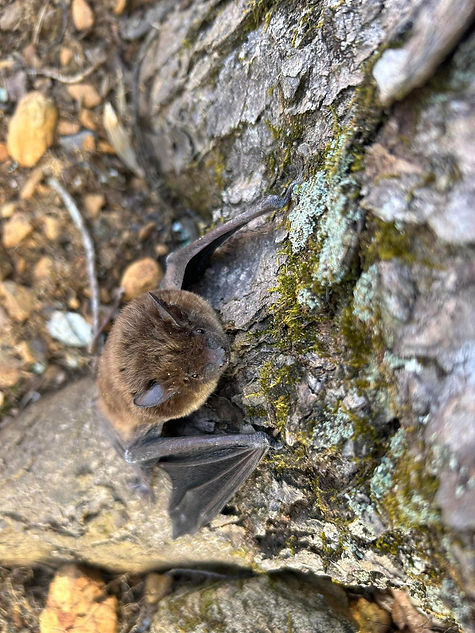
Wildlife (Raccoons, Squirrels, Bats)
Wildlife can cause noise, damage, and health risks. Humane exclusion methods are best:
Install chimney caps and vent covers.
Use one-way exclusion doors.
Trim tree branches away from the house.
Contact professionals for safe removal.
By understanding these pests and their habits, you can apply targeted solutions that work!
Staying Ahead: Tips for Long-Term Pest Prevention
The best pest management solution is prevention. Here are some tips to keep your home pest-free for the long haul:
Regular Inspections: Check your property monthly for signs of pests or damage.
Maintain Landscaping: Keep bushes and trees trimmed away from your home.
Proper Waste Management: Use sealed trash bins and remove garbage regularly.
Educate Everyone: Make sure family members or tenants know how to avoid attracting pests.
Seasonal Maintenance: Prepare your home for seasonal pest activity, like sealing gaps before winter.
By staying proactive, you’ll save time, money, and stress down the road!
We’re confident that with these effective pest management solutions, you can take control of your home environment and enjoy a pest-free space. Remember, a little effort goes a long way, and when you need extra help, professional services are just a call away. Here’s to a safer, cleaner, and more comfortable home!


Comments